


Snapmaker U1 - 270x270x270mm

Alert me if this item is restocked.
We often restock popular items or they may be returned by the other customers. If you would like to be notified when this happens just enter your details below.
Snapmaker U1 - 270x270x270mm
Við virðum persónuvernd þína og deilum ekki netfanginu þínu með neinum.
Alert me if this item is restocked
Við höfum hætt við beiðni þína.
U1 er spennandi fjögurra hausa prentari frá Snapmaker. Snapmaker er vandaður prentaraframleiðandi og eldri prentarar frá þeim J1S hefur reynst vel.
Helstu eiginleikar Snapmaker U1:
- 4 prenthausar, minnkar sóun til muna í litaprentun
- Stór prentflötur 270x270x270mm
- 300°C á stút og 100°C á prentfleti
- 2MP myndavél með gervigreind til að greina prentgalla
- Prenthraði 300mm/sek
- Lita snertiskjár 3.5" og 26GB geymslupláss fyrir prentskrár
- Styður OrcaSlicer og Snapmaker Orca
- App í farsíma heitir Snapmaker APP
- Sjálfvirk mötun á prentþræði
Hér má finna Wiki síðu Snapmaker
Snapmaker U1 kemur með ryðfrítt stál í stútunum.
The Snapmaker U1 is a next-generation multi-color 3D printer designed for speed, precision, and efficiency. With its revolutionary SnapSwap™ toolhead system, up to four independent extruders switch seamlessly in seconds, drastically reducing filament waste. High-speed CoreXY mechanics, automated calibration, and advanced algorithms ensure top-tier print quality with minimal user intervention. Ideal for creators who demand vibrant, multi-material prints without compromising performance.
Highlights
- 4 independent print heads with SnapSwap™ for instant material changes
- Up to 300 mm/s print speed and 20,000 mm/s² acceleration with CoreXY structure
- Build volume of 270 × 270 × 270 mm for versatile project sizes
- Automatic mesh bed leveling ensures reliable first layers every time
- Advanced compensation with Pressure Advance and Input Shaping for superb detail
- Up to 80% less filament waste compared to traditional purge methods
- Built for consistency and long-term reliability
Faster prints with reduced waste
Traditional multi-color printers require multiple steps during filament changes and generate significant waste. Snapmaker U1 integrates SnapSwap™ technology, enabling toolhead swaps in about five seconds while reducing material loss to around 20%.
Efficient filament switchingIn many systems, filament changes take longer than the printing itself. SnapSwap™ manages changes automatically and quickly, ensuring predictable workflow and shorter turnaround times.
|
High speed with multiple toolheadsThe CoreXY system allows each head to print at up to 300 mm/s with 20,000 mm/s² acceleration. Combined with SnapSwap™, multi-color prints can be produced quickly and consistently.
|
Less waste, better efficiency
Conventional solutions often waste several times more material than they use. U1’s material handling minimizes this, making the process more cost-effective and sustainable.
Automated calibration
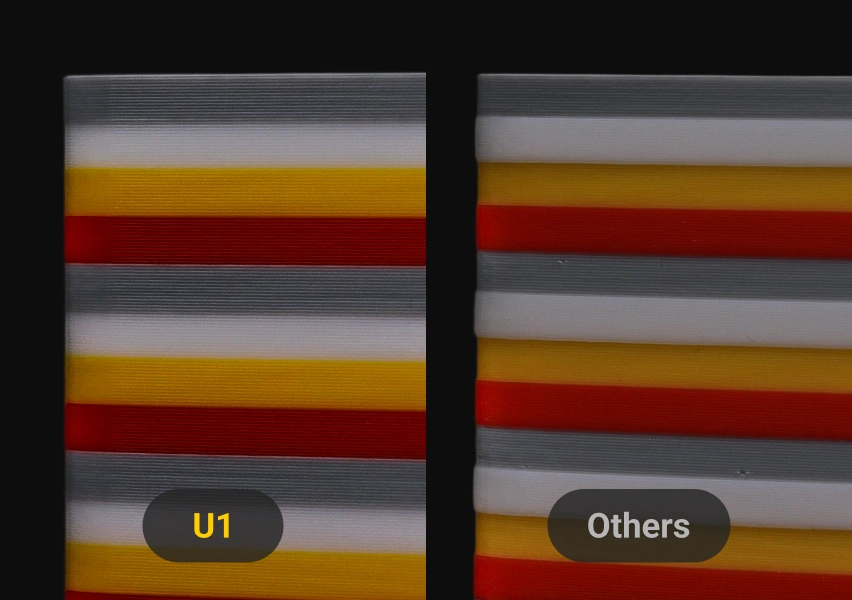
Multi-head systems require precise alignment. U1 uses compensation algorithms to keep deviation between heads under 0.04 mm. Mesh bed leveling ensures a flat build surface and reliable first-layer adhesion.
Seamless toolhead cooperationExact alignment between toolheads ensures sharp color transitions and detail accuracy, without shifts or misalignment.
|
 |
 |
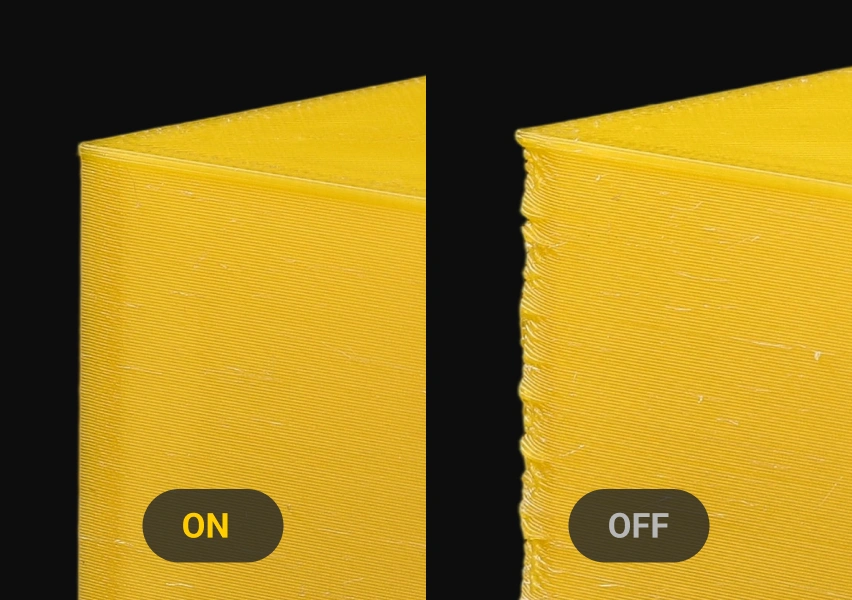
Stable printing with Input ShapingBy damping vibrations during high-speed movement, Input Shaping reduces ghosting and keeps edges clean for smoother surfaces.
|
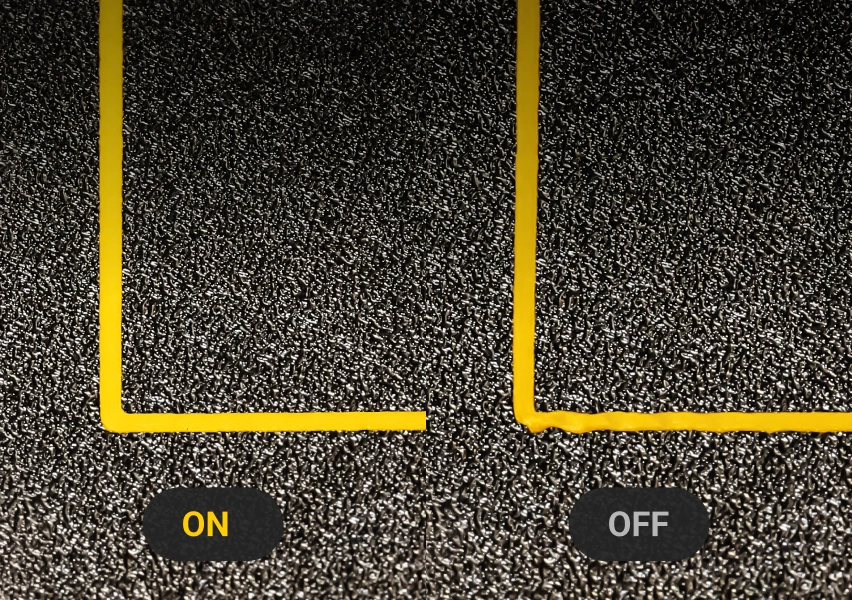
Accurate detail with Pressure AdvanceAlgorithms regulating material flow minimize extrusion delays, resulting in sharp outlines and accurate dimensions.
|
 |
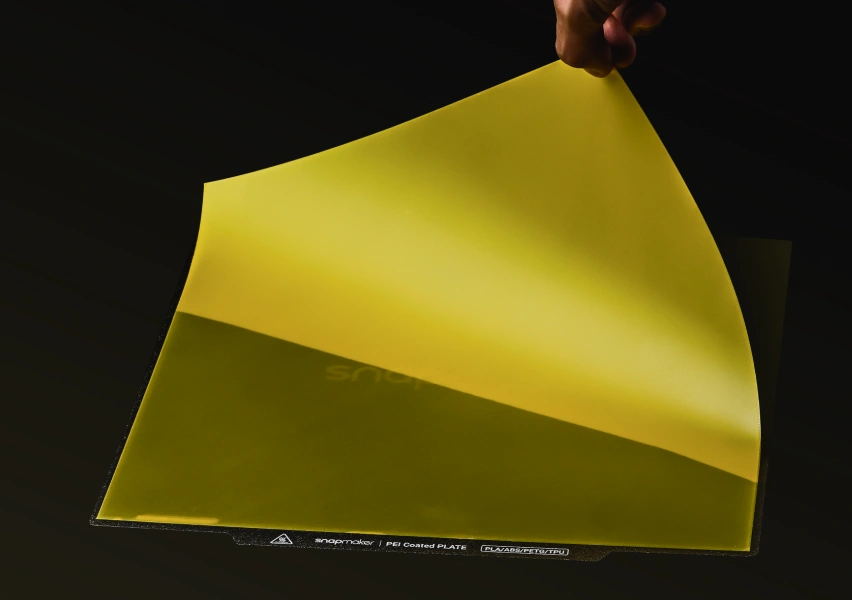 |
Automatic bed levelingMesh bed leveling ensures consistent first-layer adhesion, creating a stable foundation for the entire print.
|
Built for reliability
Each machine undergoes thorough testing to meet standards for durability and structural integrity. The design is intended for long-term use with consistent performance.
| Feature | Specification |
|---|---|
| Technology | Fused Deposition Modeling (FDM) |
| Print Heads | 4 independent toolheads with SnapSwap™ |
| Build Volume | 270 × 270 × 270 mm |
| Max Print Speed | 300 mm/s |
| Travel Speed | 500 mm/s |
| Acceleration | 20,000 mm/s² |
| Toolhead Alignment Accuracy | < 0.04 mm |
| Filament Types | PLA, PETG, ABS, TPU, and more |
| Bed Leveling | Automatic mesh bed leveling |
| Extrusion Compensation | Pressure Advance |
| Vibration Reduction | Input Shaping |
| Waste Reduction | Up to 80% less filament used for purging |